Plasma fibroblast
Explore plasma skin treatment with a consultation that puts your skin history, goals, and recovery expectations first.
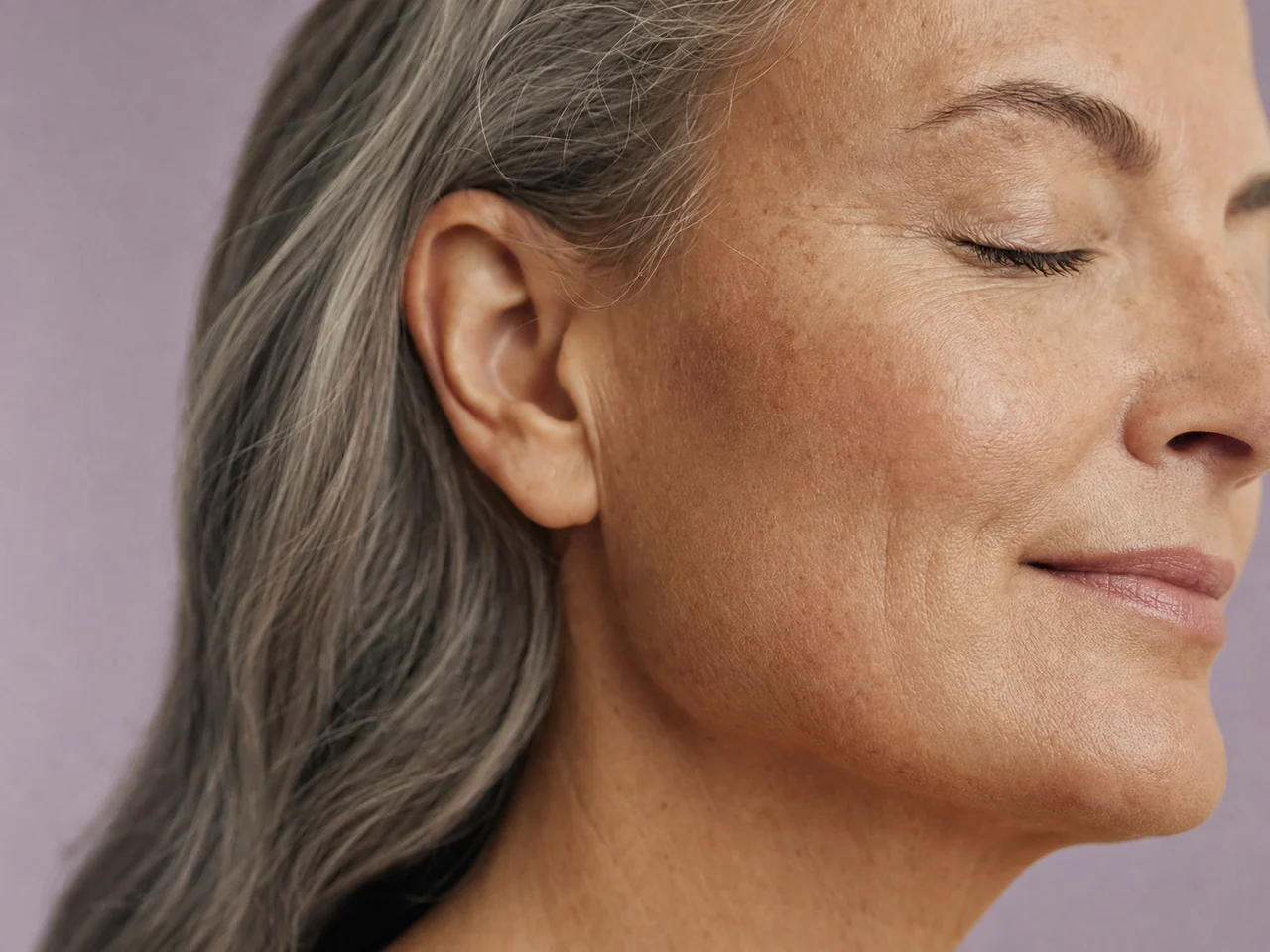
Surface treatment. A real healing process.
Arc
A device creates an electrical arc at the surface.
Response
Local tissue injury initiates a healing response.
Recovery
Aftercare, pigment risk, and healing need attention.
What brings you here?
Choose an example to prepare for your visit—not to determine which treatment you need.
Be specific about the area
Discuss the feature you hope to change, the evidence for the clinic’s actual device, and alternatives. The skin’s normal healing response does not guarantee a visible improvement.
“What result is realistic for this area and device?”
Pigment history matters
Bring up previous pigmentation after acne, burns, or procedures. Do not assume a treatment is suitable just because someone else healed well.
“How does my skin history affect the risk of lasting pigment changes?”
Include recovery in the decision
Swelling and crusting can affect work, photographs, and social plans. Ask about follow-up and what you would do if healing takes longer than expected.
“What downtime and aftercare should I plan for with this specific procedure?”
What plasma skin treatment is
Plasma devices create an electrical arc at the skin surface. This produces a local tissue injury; it is not simply a light touching the skin. The device model, authorized uses, treatment area, and practitioner technique all matter.
Why the name mentions fibroblasts
Fibroblasts are cells involved in producing the skin’s connective-tissue framework, including collagen. The treatment is marketed around the skin’s response to injury and remodeling. A plausible healing response is not proof of a predictable tightening effect or a surgery-equivalent outcome.
What people ask about
People may seek a consultation about skin texture, fine lines, or laxity. Whether this procedure is appropriate depends on the actual device, your skin, the proposed area, and the alternatives. Ask for evidence relating to that device and use rather than general plasma-pen marketing.
Recovery is part of the procedure
Plan for crusting, swelling, and a period of healing after treatment. Your consultation covers downtime, follow-up, cleansing, product use, sun exposure, and when to resume usual activities. Healing timelines vary with your skin and treatment area.
Risks to weigh
Burns, pigment changes, scarring, infection, and injury to nearby structures are relevant risks. Your consultation includes a review of the device, its authorized uses, and your individual risk factors so you can make an informed decision.
Planning your visit & more details
Your skin history changes the decision
Discuss your natural skin tone, previous dark or light marks after injury, keloid tendency, active skin conditions, recent procedures, medicines, and healing problems. These factors can change the risk of pigment changes, scarring, and delayed healing.
Your treatment consultation
We review the device and its authorized uses, assess the proposed area, and discuss comfort measures, downtime, and follow-up. You will know what recovery involves and whom to contact with concerns. Some areas, particularly near the eyes, require special consideration and may not be suitable.
Deciding whether it fits
Your consultation balances the improvement you hope for with recovery, risks, and alternatives, including other skin-care or dermatology options. Results vary, and plasma treatment is not equivalent to surgery. Take time to choose the approach that fits your skin and priorities.
Your questions, answered.
Can any skin area be treated?
No. Location and device labeling matter, particularly around the eyes. A consultation is needed before planning an area.
How do I prepare and care for my skin afterward?
Your consultation covers preparation, recovery, and aftercare for your treatment area and skin history. Follow the treating clinician’s instructions for medicines, skin products, and sun exposure.