Acupuncture
Rooted in Traditional Chinese Medicine, acupuncture starts with the whole picture: how you feel, how you move, and what you want to get back to. Dr. Kari shapes your visit around you.
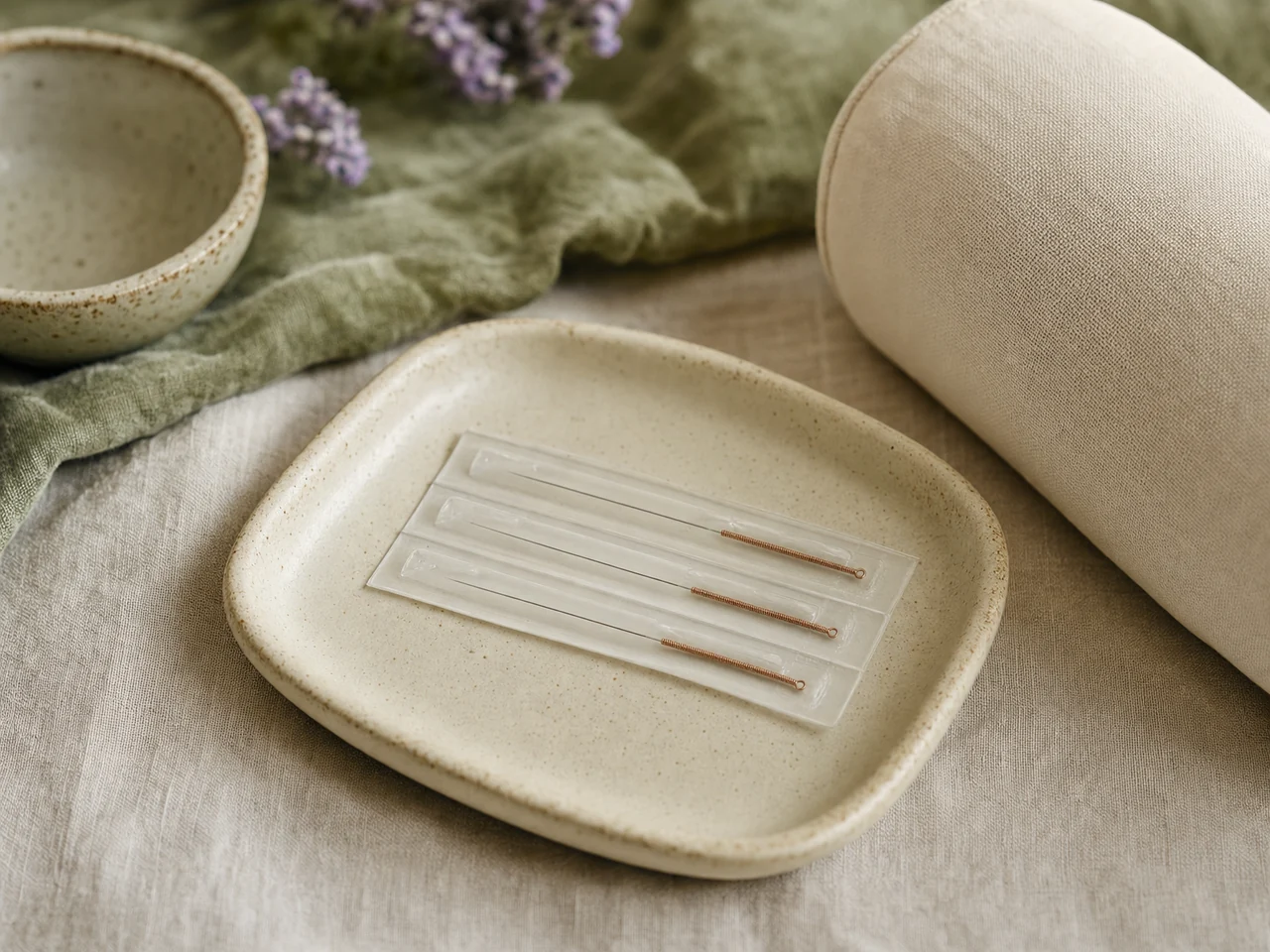
Fine needles. A whole-person conversation.
Placement
Selected points are chosen after an assessment.
Sensation
Fine needles stimulate local tissues and sensory pathways.
Review
Follow comfort, function, and the reason you came.
What brings you here?
Choose an example to prepare for your visit—not to determine which treatment you need.
Make comfort measurable
If sitting or turning your neck is uncomfortable, describe when it starts and which movements are difficult. Acupuncture may be discussed alongside movement breaks, rehabilitation, and assessment of the cause.
“Could we track how long I can sit comfortably and how easily I turn my head?”
Bring your headache pattern
A record of headache days, medicines, triggers, and missed activities is more useful than a general request for balance. Some headache conditions have supportive acupuncture evidence, but a new or markedly changed headache needs medical evaluation.
“Is my headache type one for which acupuncture has useful evidence?”
Start with comfort and consent
Tell Dr. Kari before treatment. Ask to see a needle, discuss positioning, and agree on a signal to pause. Needle-free ear options may be worth asking about, but they have their own evidence and suitability considerations.
“Can we talk through the sensations and alternatives before beginning?”
What acupuncture is
Acupuncture uses very fine needles placed at selected points on the body. Traditional Chinese Medicine describes these points through a framework of channels and balance. A visit also includes a conversation about your symptoms, health history, and what you want to be able to do more comfortably.
How it may work
The full mechanism is still being studied. Research suggests effects on nervous-system signaling and local tissues. The setting, expectations, and relationship with the practitioner can also influence the experience of pain. Traditional explanations and scientific explanations describe the treatment in different ways.
Where it may help
Research supports acupuncture for some pain conditions, including chronic back or neck pain, knee osteoarthritis pain, and reducing the frequency of some headaches. It does not work equally well for every condition or person. Feeling more comfortable may make daily activity easier, but relief does not necessarily mean an underlying injury has healed.
Who needs extra screening
Suncoast always uses sterile, single-use acupuncture needles. Before treatment, tell Dr. Kari about pregnancy, blood-thinning medicines, bleeding conditions, skin infections, or a history of fainting with needles. Mention implanted devices if electrical stimulation is being considered. Temporary soreness, bruising, or minor bleeding can occur. Let Dr. Kari know if you feel uncomfortable so your care can be adjusted.
Planning your visit & more details
How it could relate to your day
Rather than aiming only for a lower pain score, you might want to sit through a workday, walk farther, or have fewer headache days. Bring one or two specific goals. Noting what you can do before and after care helps make the discussion about progress more concrete.
What a visit involves
After reviewing your history, Dr. Kari can explain the proposed points, positioning, and any optional additions. You may notice a brief prick, pressure, or a dull sensation. Tell the practitioner about sharp or persistent pain so treatment can be adjusted. You can ask to pause or stop at any time.
Preparing for your first appointment
Wear comfortable clothing that makes the treatment areas easy to reach. Bring your medicine and supplement list, relevant reports, and questions. Your first visit includes time for a detailed health history and treatment planning. We explain appointment timing and preparation when you book.
A plan you can review
Agree on the reason for treatment, the review point, and what improvement would be meaningful. Acupuncture can sit alongside rehabilitation and other medical care. New or unexplained symptoms still need assessment, and prescribed treatment should not be stopped on the strength of a session.
Your questions, answered.
Do I have to know what treatment I need?
No. Start with what is bothering you and what you hope to change. Dr. Kari can help you explore a plan.
Can I combine it with other care?
Discuss your existing care with Dr. Kari and your other clinicians. Acupuncture should not delay diagnosis or replace necessary medical treatment.